
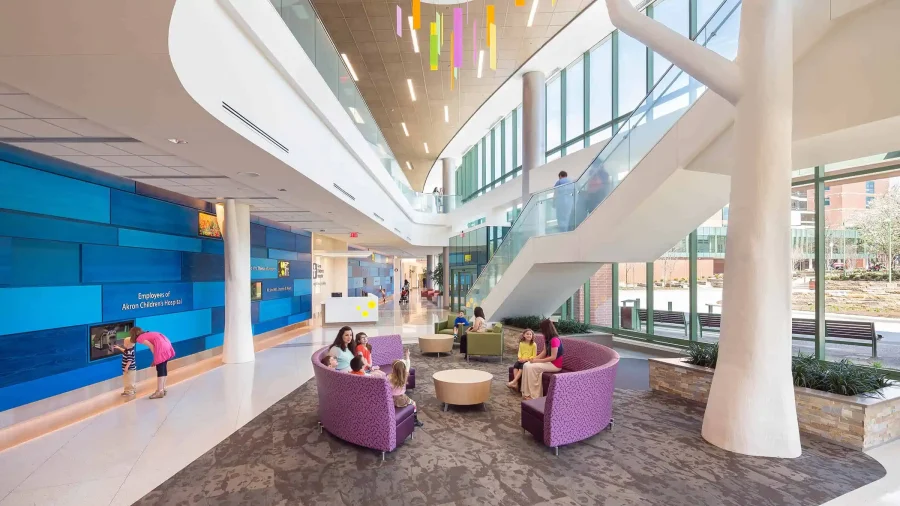
Patient well-being in care settings depends not only on professional service but also on safe and reliable infrastructure. Proper planning, monitoring, and coordination during facility projects reduce disruptions and risks for patients as well as staff. When construction is guided by strict standards, it ensures structural soundness, infection control and improved emergency readiness. A clear process from start to finish is vital for meeting safety needs while creating trusted spaces managed by an experienced Certified Healthcare Constructor.
Reliable Project Planning
Strong planning ensures every stage of construction follows clear procedures focused on health safety. Careful scheduling, design checks, and performance monitoring remove errors and delays. It also creates reliable outcomes that support both staff performance and patient protection.
- Care plans linked with safe building choices
- Clear coordination among specialists to remove uncertainty
- Accountability standards that secure high quality
Safe Material Selection
Using trusted materials builds safer surroundings for medical procedures and recovery. Specific products selected with verified durability contribute to hygiene. Every choice should reduce risk while providing a secure base for essential care areas.
Strong Infection Prevention
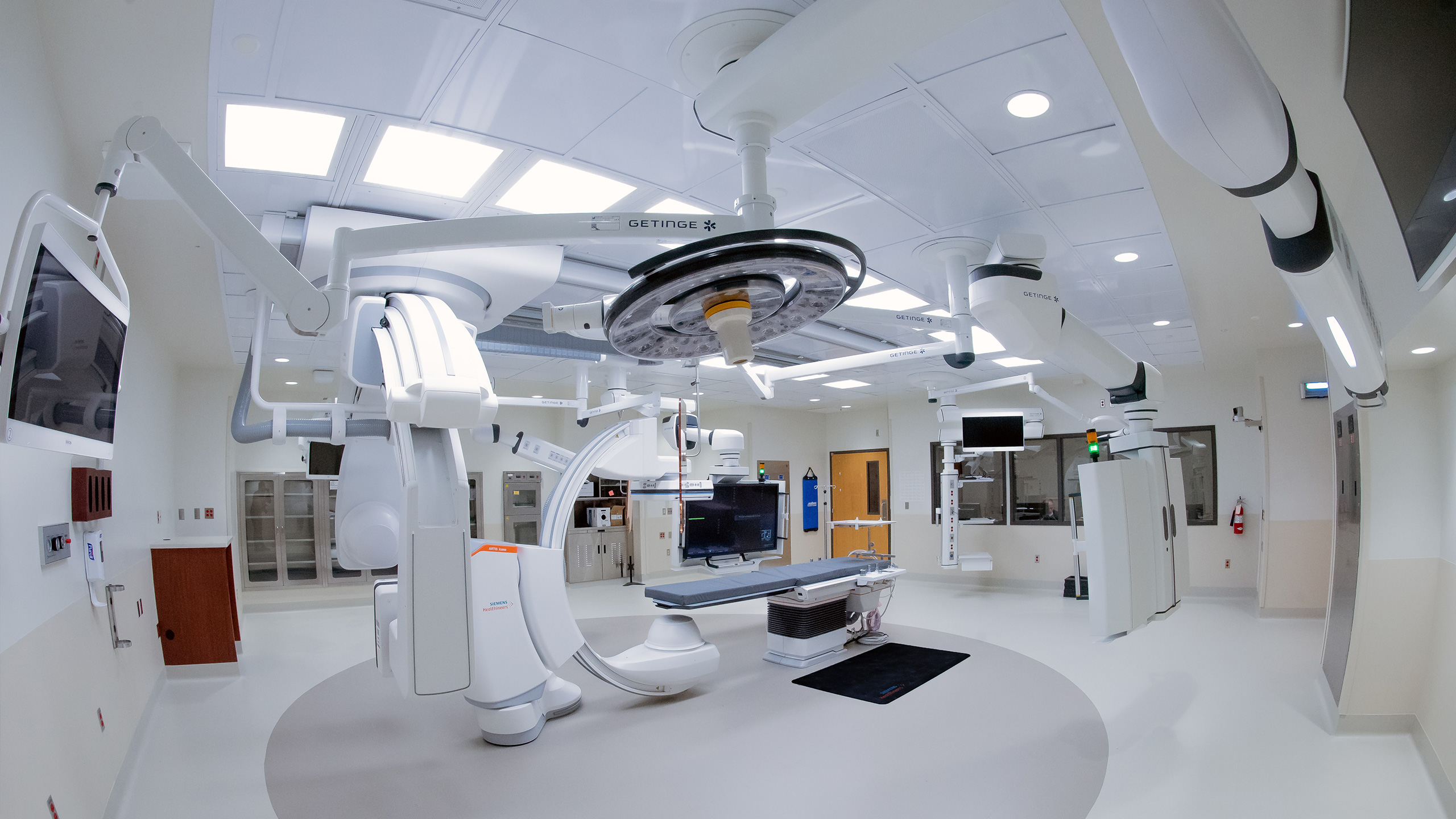
Well-managed construction avoids dust spread and contamination. Barriers, sealed zones, and air filtration become essential practices. An experienced Certified Healthcare Constructor ensures these preventive steps remain a top priority during every phase.
Structured Risk Management
Safety management requires recognition of hazards with proactive action plans. Identifying potential threats early reduces financial problems and protects vulnerable patients. Clear reporting frameworks improve trust and regulatory compliance across projects.
Patient-Focused Design
Spaces built with patient health in mind promote safe recovery. Simple navigation, safe ventilation, and stress-reducing layouts contribute to reliable surroundings. These elements reflect careful thought by skilled planners balancing safety with usable design.
Efficient Site Coordination
Coordination of teams secures smooth progress even in busy facilities. Responsibilities are clearly divided to shorten delays and reduce interference with patient care. Effective communication among staff, engineers, and supervisors drives safer and faster results.
Proactive oversight of care facility projects leads to stronger safety measures. Careful selection of processes, controlled use of materials, and structured planning all limit risks while improving outcomes for people. By focusing on clear direction and transparent checks, projects move ahead with confidence, creating safe places for care delivery.
FAQs
What is healthcare construction management?
It is the practice of directing building and renovation projects in care facilities with a strong focus on safety.
Why are certified experts important?
They have training that ensures safety standards are followed in every project.
How does it impact patient safety?
It reduces risks by controlling hazards and supports safe medical environments.