
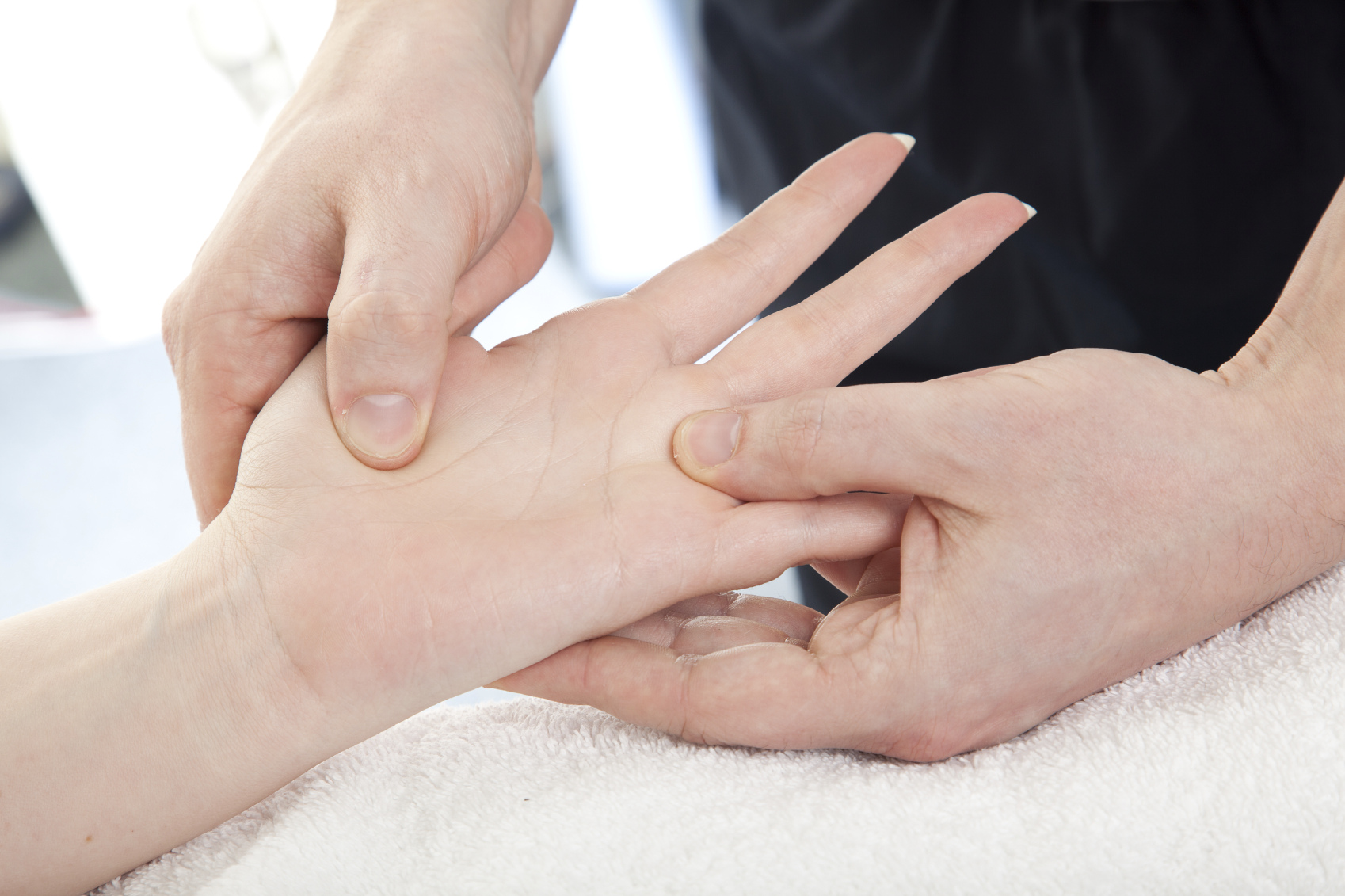
Helping people with rheumatoid arthritis is the work of doctors. Some doctors are Specially trained who focus on joint health are often part of the team, along with nurses who offer support and advice. Setting clear goals, reviewing them often, and making decisions together about each person’s care are all parts of best practice models. Simple tools like symptom notes, regular blood tests, and joint exams can help you keep track of how well your treatment is working.
Getting to Know the Care Team
A strong care team has people with a range of skills working together. First, an expert doctor watches how the body responds and changes the treatment based on what they see. Nurses are very important because they teach people how to take their drugs and recognize danger signs. Physical and occupational therapists can help you feel less stiff and build up your joint strength by giving you routines and tips for doing everyday things. Other people on some teams help with mental health or eating, and they show how good food and a calm mind can help people heal. They work together to make sure that each plan works for everyone.

Useful Ways to Keep An Eye On Things
A close watch on progress helps find problems early. Simple symptom trackers ask people to write down every day or week how much pain, stiffness, and energy they feel. Blood tests are done on a regular basis to look for signs of swelling inside the body. The care team checks the joints to see how well they move and feel. Simple tests can sometimes show how damage has grown over time. Talks and forms for patients to fill out help teams find out how things are going at home and at work. Together, these tools help people make better decisions at every stage of care.
Making sure ongoing support
Having rheumatoid arthritis means you need long-term care that can change as your needs do. Every so often, care teams call or video chat to see how things are going in between visits. People can learn easy ways to deal with pain, stay busy, and deal with stress through support groups and educational sessions. Test notes and how to use tools for self-checks are part of clear follow-up plans. Teams that stay in touch and feel like they are being led through every step build trust and keep everyone moving toward better health and stronger daily life.
For this situation to get good care, there needs to be strong and clear teamwork. Doctors, nurses, therapists, and helpful guides work together to help each person make a plan they can confidently follow. Goals stay in mind with best practice models like treat-to-target and patient-centered steps. Useful tracking tools make sure that changes are made quickly when they are needed. Regular help makes people trust each other and keeps them going and positive. Having these things in place makes the way to better health easier and more stable for everyone.