
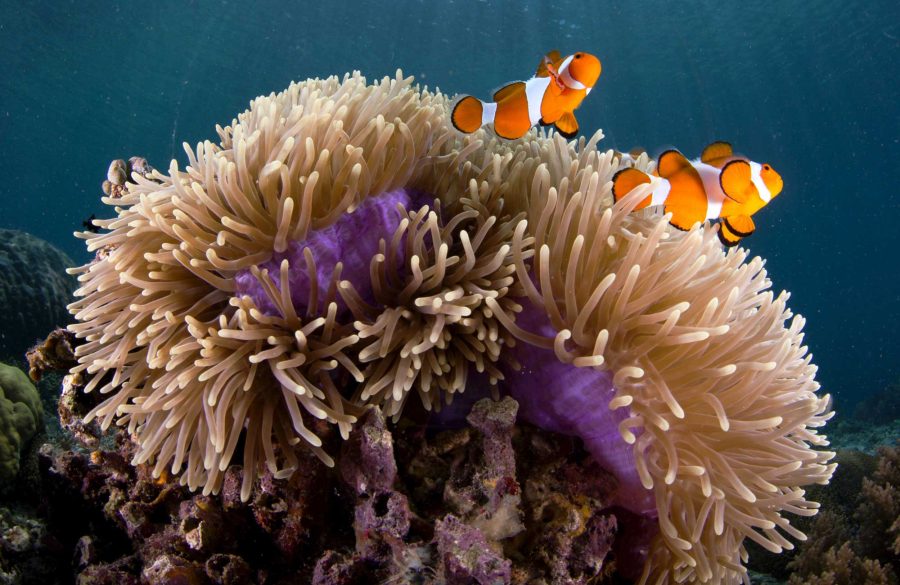
Oceans control the climate and provide resources for many groups. However, environmental stress has undermined marine systems, requiring sustainable alternatives. Regenerative ocean farming is a great method for maintaining environmental durability and balance. By cultivating marine crops and organisms, this method captures carbon while strengthening natural defenses against changing conditions. These methods are exciting, according to https://coralvita.co/coral-cafe/regenerative-ocean-farming/. They highlight how research and practice can reduce emissions, improve adaptation measures worldwide, and yield long-term benefits.
Why does regenerative farming support resilience?
This approach is essential because it enhances carbon storage while supporting biodiversity. Nurturing natural systems provides benefits that extend beyond food supply. The method not only strengthens climate adaptation but also reinforces ecosystem stability.
Marine crop farming enhances ecological renovation
Growing sea crops and shellfish contributes to healthier seas by filtering water and absorbing carbon. This process creates valuable services that strengthen biodiversity while providing renewable materials.
- Sea crops absorb carbon efficiently, improving water chemistry naturally.
- Shellfish filter impurities, keeping marine ecosystems balanced and stable.
- Cultivation methods require no fertilizers, lowering negative environmental impacts.
- Marine farming supports both ecological resilience and social benefits equally.
- https://coralvita.co/coral-cafe/regenerative-ocean-farming/ demonstrates progress in large-scale restoration farming efforts.
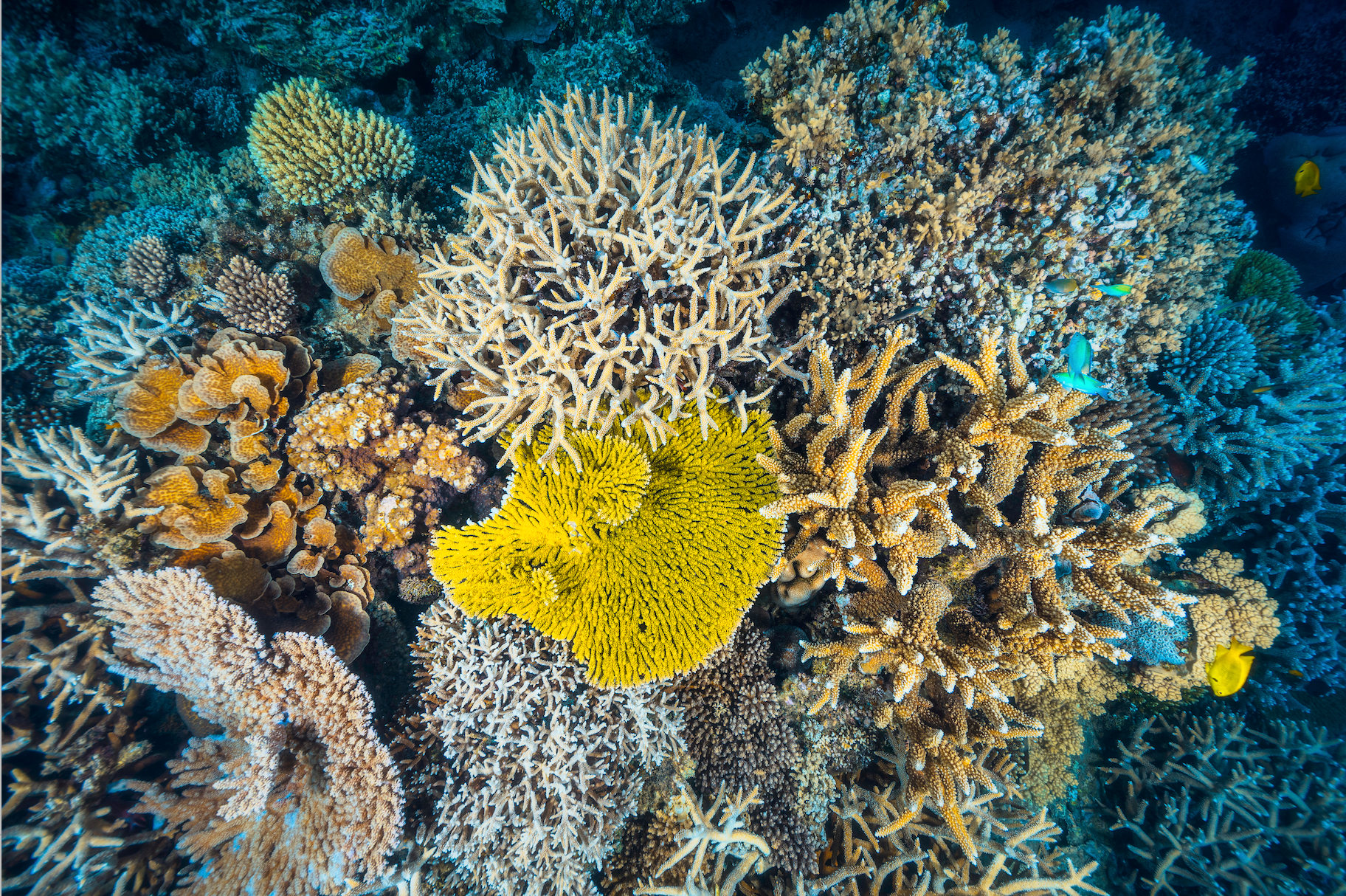
Multi-species farming creates stronger climate adaptation
Combining various organisms within farming systems ensures diversity and resilience. This reduces risks associated with disease and environmental stress while boosting productivity.
- Mixed cultivation reduces vulnerability to single-species failures effectively.
- Diversity in farms strengthens adaptation to unpredictable climate pressures.
- Organisms provide complementary benefits supporting wider ecological recovery.
- Balanced systems generate steady supplies while reinforcing natural cycles.
- Coastal resilience improves when varied species sustain multiple protective functions.
Collaboration models driving global sustainability and adaptation
Teamwork between students, communities, and representatives supports the fast spread of reformative practices. Knowledge sharing fast-tracks innovation while creating trust between groups. With stronger cooperation, solutions become scalable and effective. Such models also encourage financial and policy support, ensuring wider adoption that benefits both people and the planet.
Oceans Reborn Strong
Recovering ocean farming, unlocking carbon sequestration, and climate adaptation pathways reflect a vision of renewal and resilience. By cultivating sea crops, shellfish, and diverse species, this method delivers both ecological and social value. The approach addresses climate change directly through carbon storage while reinforcing natural protection for coastal regions. Global collaboration ensures knowledge is shared, strengthening efforts across communities and nations. With continued invention and active participation, recreating farming can transform ocean health and contribute to a better future. These practices create ways for recovery while ensuring that oceans remain creative, balanced, and strong for generations ahead.
