
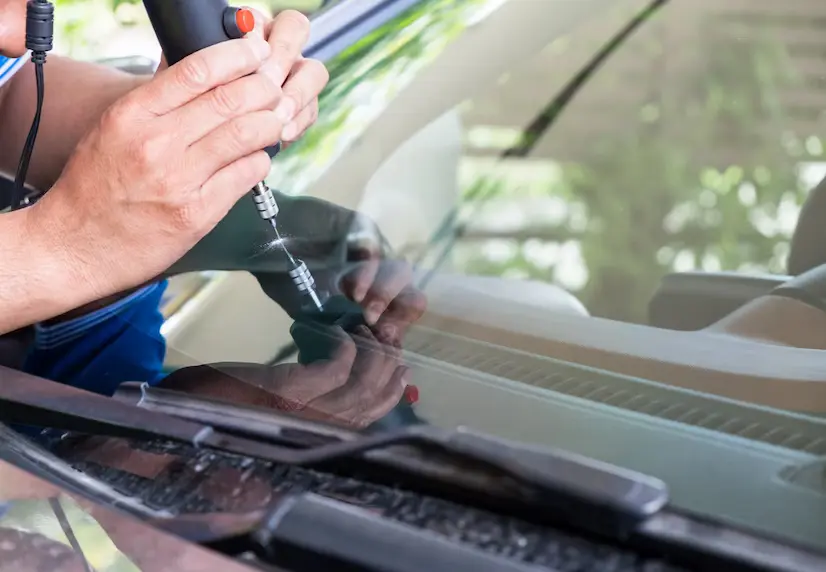
From desert highways to coastal expressways, drivers in every region say the same thing: a cracked windshield stops journeys cold. Mobile lifestyles, tougher weather patterns, and higher vehicle-tech integration all raise expectations for glass work. Shoppers now use star ratings and location filters before they ever pick up the phone, so service centers that adapt to customer feedback are winning future business. Digital booking, eco-friendly resins, and AI-guided calibration hallmarks of New Technologies in Windshield Repair top the wish lists appearing in reviews from Phoenix to Philadelphia.
Why Customer Ratings Matter More Than Ever
Customer reviews no longer sit at the bottom of a web page; they drive the first click on Google Maps and voice-assistant searches.
- Speed – Same-day fixes win five-star praise.
- Transparency – Real-time photo updates and up-front pricing reduce complaints.
- Warranty strength – Lifetime chip-repair guarantees turn one-time callers into repeat clients.
Key Trends Customers Highlight
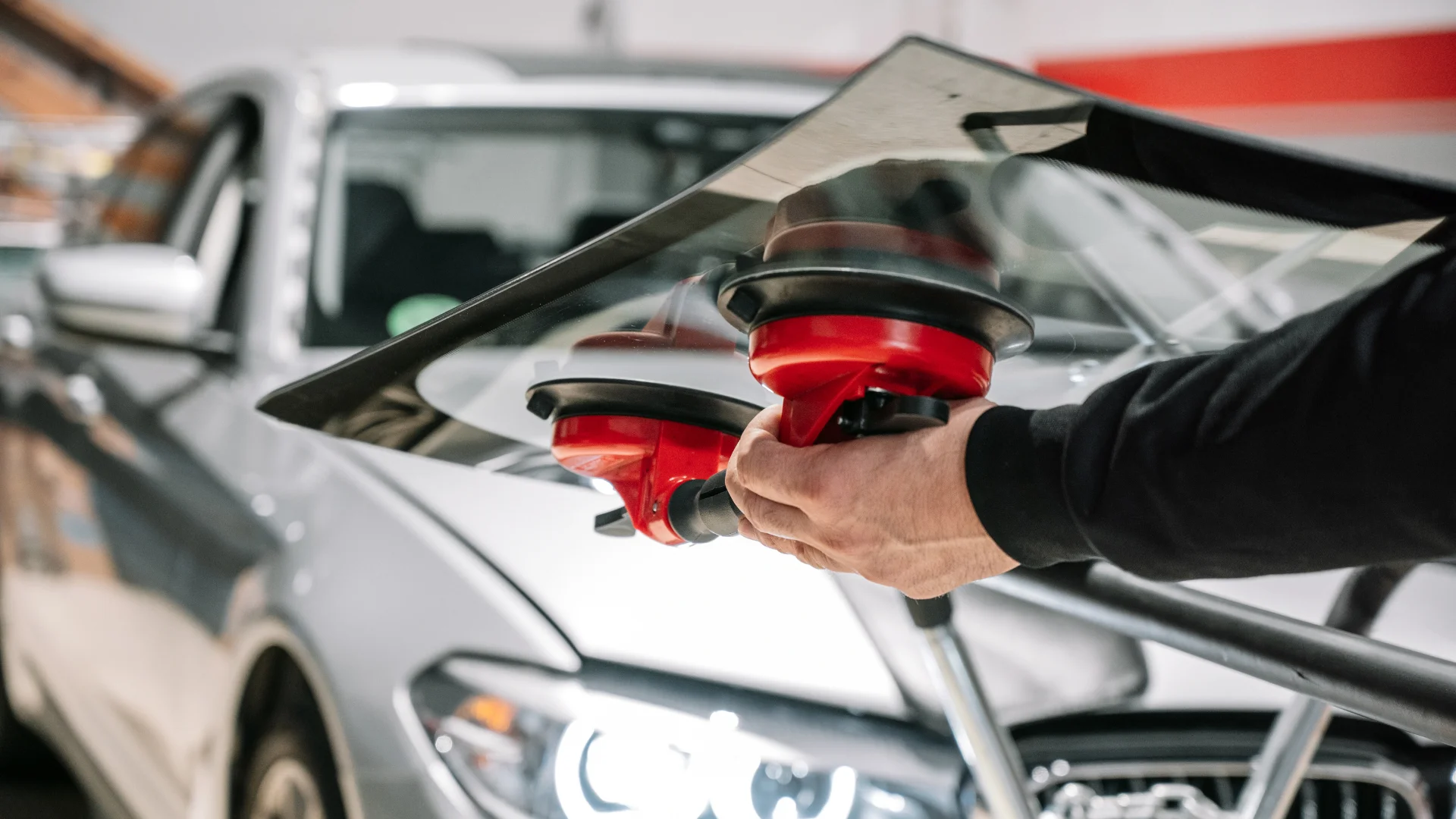
1. Mobile Technicians Come to You
- Traffic congestion and busy workdays push demand for curbside repairs.
- Ratings surge when vans arrive within a one-hour window and carry calibration rigs for ADAS cameras on modern windshields.
2. Climate-Smart Materials
- In humid Gulf cities, reviewers favor hydrophobic glass coatings that resist salt fog.
- Northern drivers reward shops offering low-temperature curing resins that set even at –10 °C.
3. Seamless Insurance Claims
- Automated claims portals that pre-fill policy data slash paperwork time. Users often note:
- Fewer phone calls, quicker approvals.
- Digital signatures completed on the technician’s tablet.
4. Calibration Excellence
- As lane-keeping sensors hide behind the glass, precision matters. Customers mention:
- AI-assisted alignment targets.
- Printed calibration reports handed over after service.
How Regional Factors Shape Expectations
| Region | Top Reviewer Concern | Service Tip |
| Sun-Belt cities | UV damage to adhesives | Offer UV-block primers |
| Coastal zones | Salt corrosion | Include anti-salt rinse |
| Snow belts | Freeze-thaw cracks | Stock low-temp resin kits |
FAQs
- Is OEM glass always necessary?
Not for every vehicle. Customers reward shops that explain when high-quality aftermarket glass meets the same safety specs.
- How long should calibration take?
Under 40 minutes for most models. Reviews dip sharply when it exceeds an hour without explanation.
- Does mobile service cost more?
Typically no; many insurers waive travel fees. Clear price grids in advance reduce surprise costs.
Customer ratings act as a live roadmap to the future of auto glass service. They reward businesses that marry speed, transparency, and region-specific expertise with emerging tech such as AI calibration and eco-smart materials. Shops that listen closely and adapt offerings to climates from humid coasts to icy plateaus will keep windshields clear and drivers loyal for years to come. The road ahead is being paved by New Technologies in Windshield Repair.
